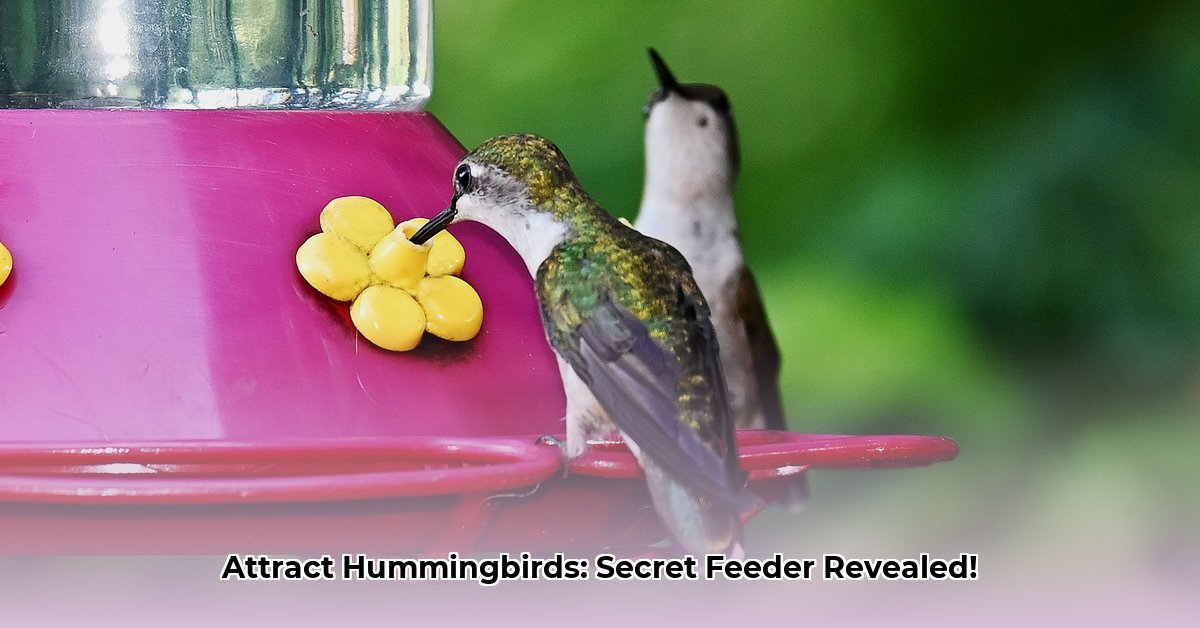
Want to bring the dazzling beauty of hummingbirds to your backyard? Creating a hummingbird haven isn't just about providing a feeder; it's about embracing sustainable gardening practices that benefit both these tiny creatures and the environment. This guide will walk you through selecting the perfect hummingbird feeder from Tractor Supply, crafting nutritious nectar, and creating a thriving hummingbird-friendly habitat. Check out Tractor Supply feeders for options.
Choosing the Right Feeder: Material Matters and More
Selecting the right hummingbird feeder is the first step towards attracting these vibrant birds. The material you choose significantly impacts both the feeder's longevity and its environmental footprint. Glass feeders, for instance, are durable, easy to clean, and don't leach chemicals into the nectar, making them a highly sustainable option. However, they are more fragile than other materials. Plastic feeders, while more affordable and readily available, can degrade faster and might leach chemicals if not BPA-free. Metal feeders, particularly stainless steel, offer excellent durability and weather resistance but can be pricier.
How do you choose? Consider the following:
| Material | Advantages | Disadvantages | Sustainability Considerations |
|---|---|---|---|
| Glass | Durable, easy to clean, no chemical leaching | Can break; more expensive | Opt for recycled glass whenever possible. |
| Plastic (BPA-Free) | Affordable, lightweight | Can still degrade; check for BPA-free options | Choose recycled plastic; dispose of responsibly. |
| Metal (Stainless) | Durable, resists weather | Can rust if not well-maintained; more pricey | Check for recyclability of the metal type. |
Beyond the material, consider feeder size. A feeder that's too small might lead to overcrowding and competition, while one that's too large can result in wasted nectar. Choose a size appropriate for your garden and the number of hummingbirds you expect to attract.
Sustainable Nectar Recipes: A Simple, Sweet Treat (the Natural Way)
Hummingbirds thrive on a simple nectar solution, and making your own is both easy and environmentally responsible. Avoid honey and absolutely never use artificial sweeteners; they are toxic to hummingbirds. Here's a recipe for a sustainable, hummingbird-friendly nectar:
- Combine: Gently simmer one part granulated white sugar with four parts water (e.g., 1 cup sugar to 4 cups water). Using less sugar can reduce the risk of mold and fermentation.
- Cool Completely: Allow the mixture to cool thoroughly before filling your feeder. Warm nectar can harm hummingbirds.
- Refresh Regularly: Change the nectar every 3-5 days to maintain freshness and prevent spoilage. Spoiled nectar can make hummingbirds sick.
This simple recipe provides essential energy for hummingbirds without introducing harmful additives. Remember, fresh nectar is crucial for their health and well-being.
Proper Feeder Placement and Maintenance: A Five-Star Hummingbird Hotel
The placement and maintenance of your feeder directly impact hummingbird health and safety. Strategically position your feeder to:
- Minimize Exposure: Place it in a shaded area sheltered from direct sunlight and heavy rain to prevent rapid nectar spoilage and overheating.
- Deter Predators: Position the feeder away from windows (to prevent collisions), potential predators (such as cats), and areas where predators could easily ambush hummingbirds. A distance of at least 10 feet is recommended.
- Facilitate Cleaning: Ensure easy access for regular cleaning.
Regular cleaning is paramount to prevent the growth of harmful bacteria and mold. Weekly, thoroughly wash the feeder with hot, soapy water, followed by a thorough rinse. A solution of hot water and white vinegar can also be effective.
Beyond the Feeder: A Whole-Garden Approach
While feeders provide a supplemental food source, creating a truly sustainable hummingbird haven requires a holistic approach. Planting native flowers and shrubs offers hummingbirds a more diverse and natural food supply, reducing their dependence on feeders alone. This also supports a healthier local ecosystem. Consider planting varieties such as trumpet honeysuckle, bee balm, or salvia, which are known to attract hummingbirds. A diverse, vibrant garden means a thriving hummingbird population!
Tractor Supply's Offerings: Finding the Perfect Fit
Tractor Supply offers a range of hummingbird feeders, and choosing wisely helps support sustainable practices. Look for feeders made from glass or durable, weather-resistant metal; prioritize those made from sustainable or recycled materials. When shopping, consider factors like durability, ease of cleaning, and size to find the ideal feeder for your needs and budget. Remember, your choice isn’t just about attracting hummingbirds; it’s about contributing to a healthier, more sustainable environment.